Moss Ecosystems
Exploiting the unique biology of non-vascular plants to create resilient, low-maintenance micro-climates.
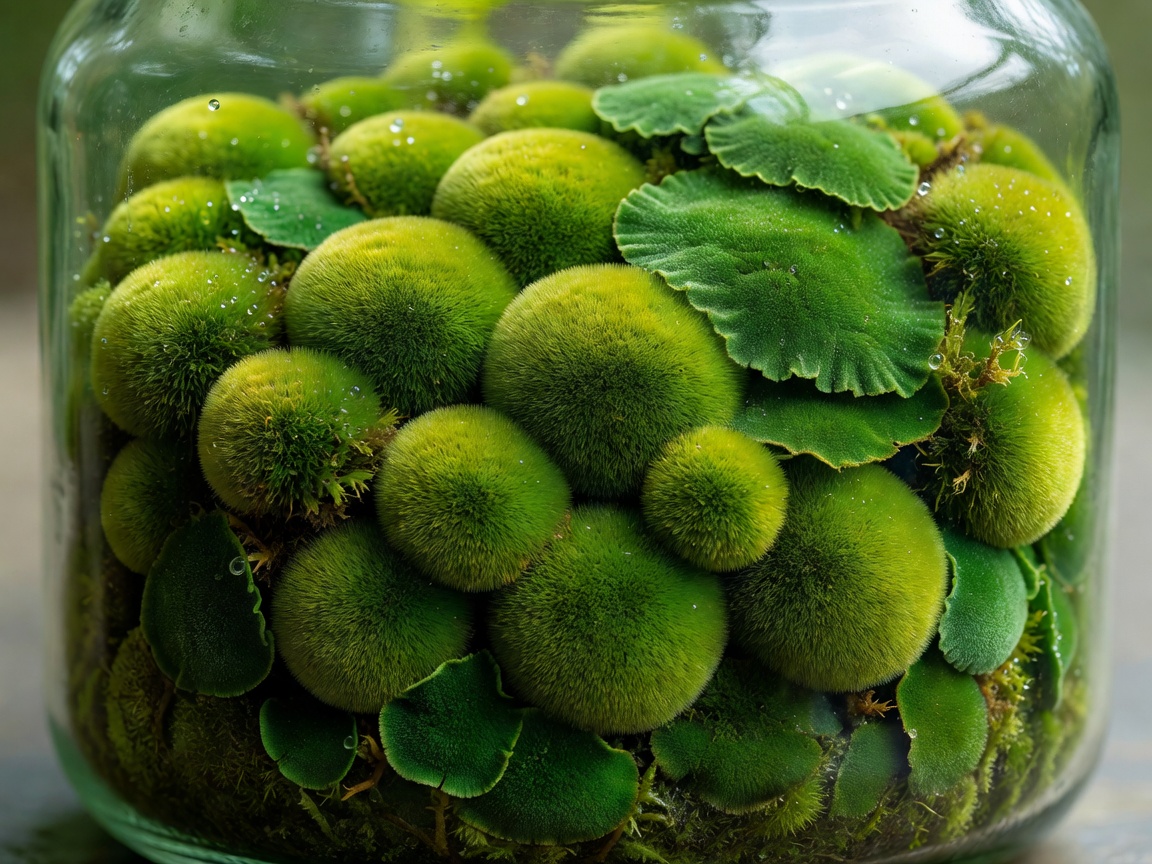
Bryophyte Biology in Confinement
Mosses (bryophytes) lack the true roots, stems, and leaves found in vascular plants. Instead of drawing water up through a root system, they absorb moisture and nutrients directly through their cell walls via osmosis. This morphological trait makes them exceptional candidates for extreme tiny ecosystems. In a constrained environment, their dependence on atmospheric humidity allows them to flourish where traditional plants would quickly exhaust the substrate's resources.
Because they do not require deep soil layers for root expansion, moss enclosures can be constructed in incredibly shallow vessels, maximizing visual aesthetics while minimizing volume.
Species Selection for Micro-Climates
Not all mosses adapt well to enclosed environments. Selecting the right structural type ensures long-term viability. Mosses are broadly categorized into two growth forms:
- Acrocarpous Mosses: These grow upright in tight, mound-like formations. Cushion moss (Leucobryum glaucum) is a classic example. They are highly structured and excellent at retaining moisture, acting as natural water reservoirs within the terrarium. However, they are prone to rotting if they sit in standing water.
- Pleurocarpous Mosses: These grow in flat, sprawling networks, carpeting surfaces rapidly. Sheet moss (Hypnum) thrives in high humidity and is ideal for covering slopes and hiding substrate layers. They grow faster than acrocarpous types and heal quickly from physical disruption.
Substrate and Aeration Needs
While mosses do not draw nutrients through roots, they do possess rhizoids—tiny hair-like structures that anchor them to the substrate. The ideal moss substrate should be slightly acidic and nutrient-poor, as nutrient-rich soils often promote mold and fungal outbreaks before the slow-growing moss can establish dominance. A base of pure sphagnum peat or crushed aquasoil works well.
Aeration remains a critical factor. Even in a sealed jar, the moss must not rest against glass that constantly drips with condensation, as this inhibits gas exchange across the cellular surface. Proper landscaping—mounding the substrate away from the edges—ensures the moss breathes effectively.
Lighting and Thermal Constraints
Mosses are evolved for the forest floor; they are inherently shade-tolerant and sensitive to thermal overload. When confined in glass, direct sunlight will cause a greenhouse effect, effectively baking the bryophytes within minutes. Moss ecosystems require low to moderate, cool-spectrum lighting. LED arrays in the 6500K range provide the blue spectrum necessary for dense, compact growth without the destructive heat generated by incandescent or direct solar sources.