Aquatic Ecospheres
Mastering the fragile equilibrium of algae, gas exchange, and micro-grazers in sealed aquatic biomes.
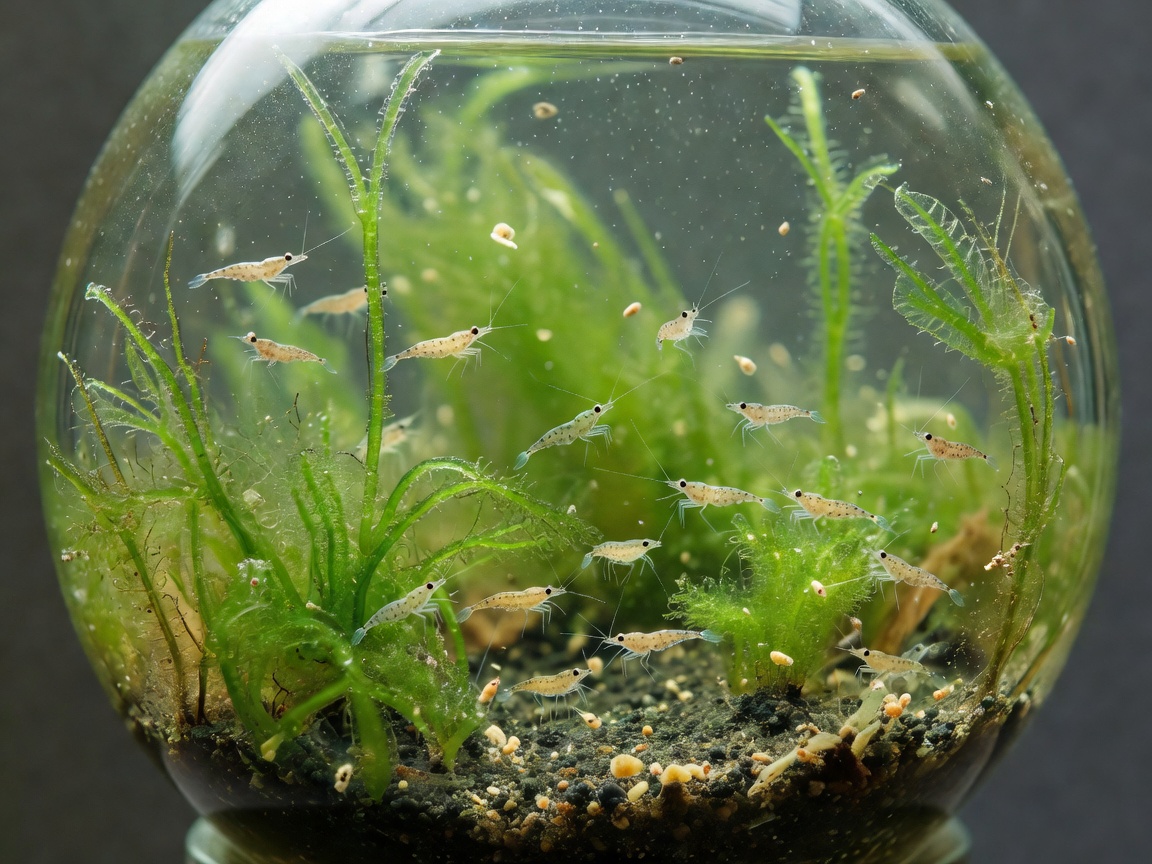
The Aquatic Balancing Act
Designing a permanently sealed aquatic ecosystem represents one of the most rigorous challenges in microcosm architecture. Unlike terrestrial terrariums where the atmosphere can buffer fluctuations in carbon dioxide and oxygen, aquatic systems are severely limited by the solubility of gases in water. When completely sealed off from atmospheric exchange, the relationship between light, photosynthetic organisms (algae and aquatic flora), and consumers must be calculated with intense precision.
Gas Exchange and Dissolved Oxygen
In standard aquariums, mechanical filtration and surface agitation drive gas exchange, continuously replenishing dissolved oxygen. In a closed aquatic ecosphere, oxygen is produced entirely through photosynthesis. Microalgae act as the primary oxygenators. When light penetrates the sphere, algae consume dissolved CO₂ and release O₂.
However, the danger lies in the dark cycle. Without light, photosynthesis ceases, but cellular respiration continues across all organisms—including the algae themselves. If the biomass of algae is too high, nighttime respiration can deplete all dissolved oxygen, leading to an anoxic crash that suffocates higher organisms.
Flora and Fauna Dynamics
Establishing the correct biological ratio is crucial. A common setup involves brackish water systems utilizing anchialine pool shrimp. These specific species have evolved over millions of years to withstand extreme variations in salinity, temperature, and nutrient availability, making them ideally suited for the constraints of a closed ecosphere.
- Producers: Specialized microalgae and hardy biofilms. These organisms process the light energy and absorb the nitrogenous waste produced by the fauna.
- Consumers: Anchialine shrimp and micro-snails. They act as grazers, continually pruning the algae to prevent overgrowth. By eating the algae, they convert it into waste, which then fertilizes new algal growth.
- Decomposers: Beneficial nitrifying bacteria residing on the substrate (such as porous rock or sand). They perform the critical function of converting highly toxic ammonia from animal waste into less toxic nitrites and nitrates, which the algae can safely consume.
System Constraints and Failures
Aquatic ecospheres are highly sensitive to thermal and photic fluctuations. Excessive light is the most common cause of failure. High light intensity triggers an algal bloom, which rapidly depletes the nutrient base and shifts the pH of the water. When the overgrown algae inevitably die back, the decomposition process consumes the remaining oxygen, triggering a rapid ecosystem collapse.
Conversely, insufficient light starves the producers. The algae stop producing oxygen, resulting in a slow asphyxiation of the system. Finding the "Goldilocks zone"—typically a north-facing window providing diffuse ambient light without thermal gain—is the key to longevity. A properly balanced aquatic ecosphere can persist for years, acting as a microscopic model of Earth's own biosphere.