Halophile Cultures
Designing hyper-saline habitats for extremophile bacteria and highly resilient brine organisms.
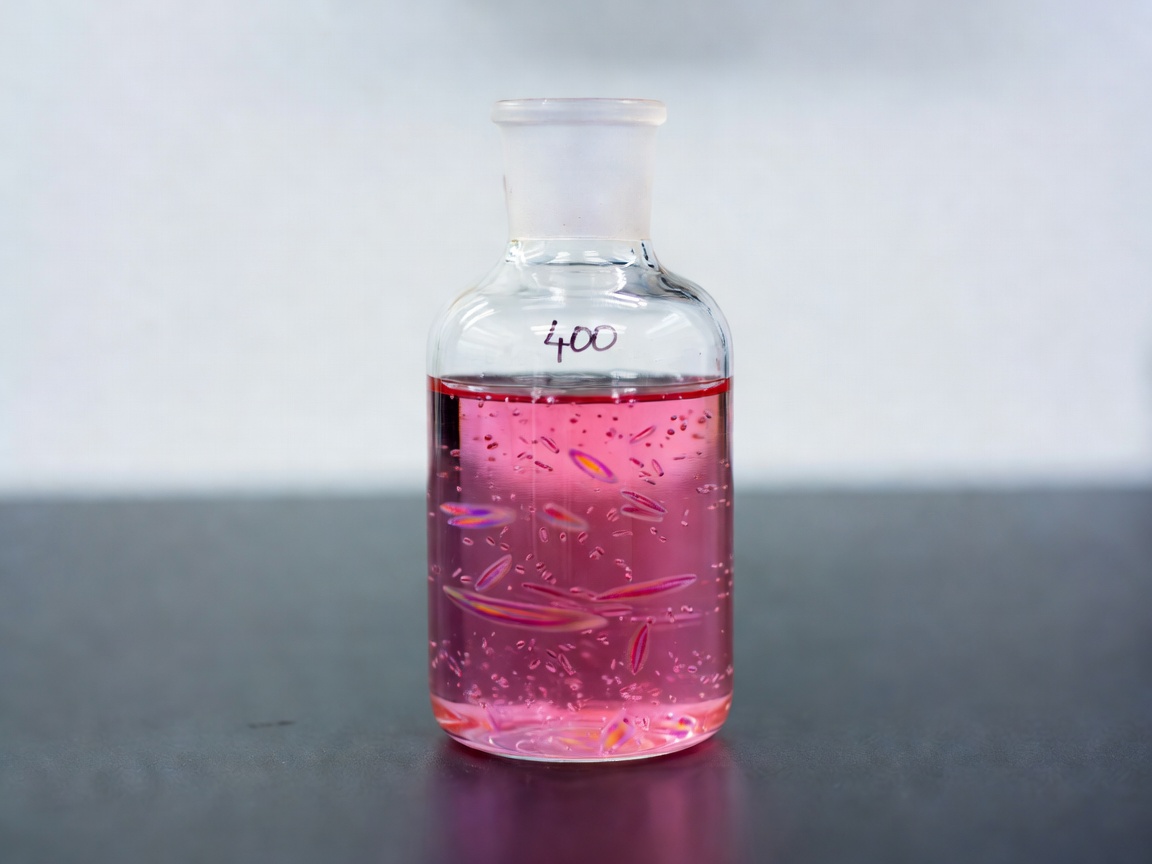
The Hyper-Saline Frontier
While most tiny ecosystems replicate standard temperate or tropical conditions, halophile cultures simulate some of the most inhospitable environments on the planet. Inspired by natural salt flats and hypersaline lakes, these micro-habitats are engineered to host organisms that not only tolerate but require massive concentrations of salt to survive. Maintaining these cultures demands strict control over evaporation and osmotic balance.
Halobacteria and Pigmentation
The visual hallmark of a successful halophile culture is its striking color. In solutions where salinity approaches saturation, standard algae and aquatic plants perish. In their place, halophilic archaea and bacteria thrive. These extremophiles utilize bacteriorhodopsin, a unique pigment that allows them to capture light energy to power their cellular processes in oxygen-deprived saline waters.
This pigment gives the culture a vivid pink or red hue. The intensity of this coloration acts as a biological indicator; a deep red culture often signifies a robust extremophile population and an appropriate salinity level, whereas a fading color may indicate crashing salinity or bacterial collapse.
Fauna: The Brine Ecosystem
To create a multi-trophic ecosystem in such extreme conditions, higher organisms are introduced—most commonly species from the Artemia genus (brine shrimp). These organisms have adapted extraordinary survival mechanisms for high-salt environments.
- Osmoregulation: Brine shrimp possess specialized gills that actively pump salt out of their bodies, allowing them to maintain internal hydration while swimming in solutions that would desiccate other organisms.
- Cryptobiosis: In environments where the water completely evaporates or conditions become unlivable, brine shrimp lay encysted eggs. These cysts can remain dormant for decades, hatching rapidly only when specific moisture and salinity conditions return.
- Grazing: They feed directly on the halophilic bacteria and microalgae (such as Dunaliella salina), completing the simple food web of this extreme culture.
Maintenance and Osmotic Shock
The greatest threat to a halophile culture is unchecked evaporation. Because salt does not evaporate, any loss of water directly increases the concentration of salinity. If the environment is not sealed, distilled water (never tap or salt water) must be carefully added to maintain the baseline volume.
If water is added too quickly, it creates areas of low salinity within the culture. This rapid change in osmotic pressure can cause the microorganisms to lyse (burst) and the brine shrimp to go into osmotic shock. Thus, maintaining extreme tiny ecosystems of this nature requires an analytical approach to liquid volume and careful, drip-fed top-ups if the system is left unsealed.